x

Belmont Prize

Shakespeare’s Belmont in “The Merchant of Venice” is a place of destiny – a realm where the wisdom of a Portia resides: “Who chooses me, must give and hazard all he hath.” No motto could more aptly describe true merit. Shakespeare views the risk as being shared equally between giver and recipient.

Kreis Plus Kreis Minus
Belmont is, however, also a source of inspiration for Arnold Schönberg – a figure who, through his diverse artistic inventions and modes of expression, declared war on hollow pathos and stifling conventions: “The heart must lie within the domain of the head.”
 
Endowed initially with € 20.000 – and now with € 50.000 – this prize, which is awarded every two years whenever possible, ranks among the most highly endowed awards for musical achievement in Europe. The Board of Trustees of the Foundation decides on the awarding of the Belmont Prize; direct applications are not accepted. 
16-9-Mirela Ivicevic

© Rui Camilo | EvS Musikstiftung

Belmont Prize 2024
for Contemporary Music

Prizewinner
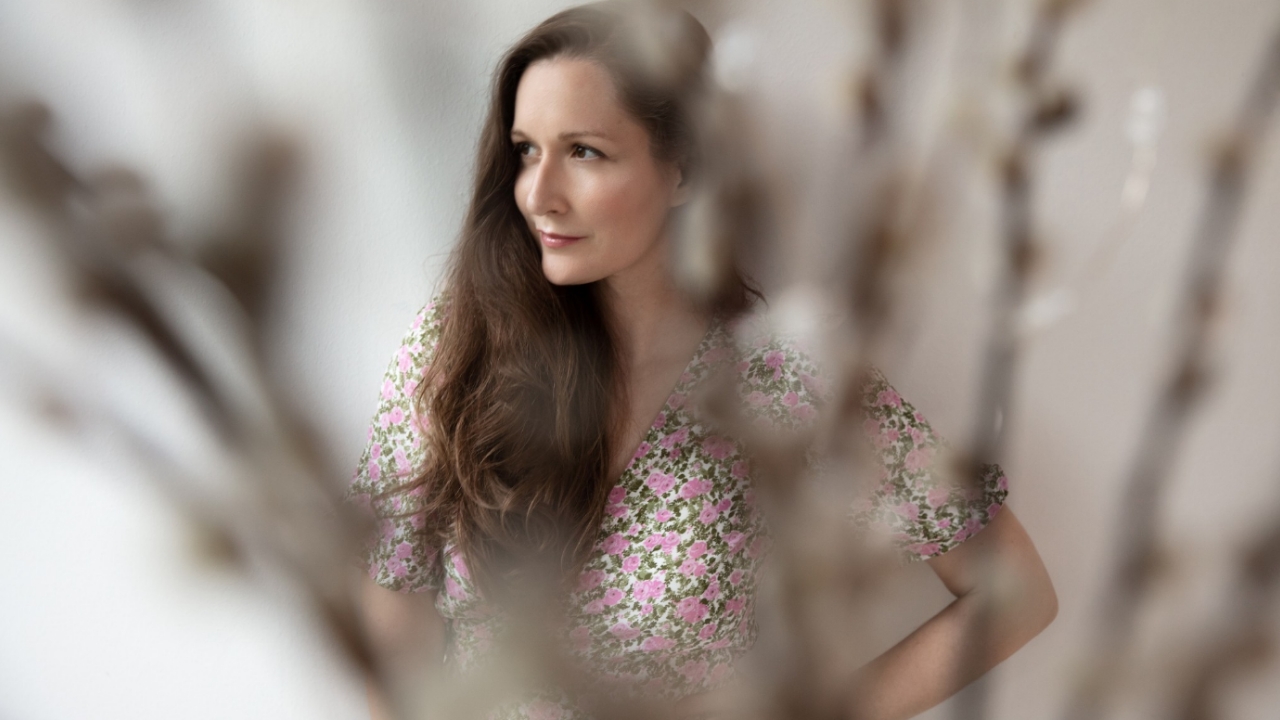
Mirela Ivičević
Composer from Vienna

25 February 2025. The Forberg-Schneider Foundation is awarding the Belmont Prize for ContemporaryMusic to the composer Mirela lvicevic. For the first time, the prize is endowed with€ 25,000 (previously € 20,000). The award ceremony will take place on 22 May 2025 at 18:30 in the "Gartensaal" of the Prinzregententheater in Munich.

"Mirela lvicevic writes music full of power and wit", explains the board in justifying their decision, adding:

"With impulsive yet playful gestures, Mirela lvicevic arranges elaborately crafted instrumental and electronic sounds to reveal a palette where finely wrought everyday noises interweave. The composer from Split, Croatia, calls her globally resonant aural narratives ,Sonic Fictions'. The stark contrasts in her works point to a decidedly confrontational interplay between disparate layers of time and meaning. lvicevic's keen sensibility for harnessing the creative impetus of these tensions reveals what an engaged and resolutelypolitically minded artist she is."

Mirela lvicevic comments on the accolade: ,, The award came as a complete surprise! I am still in awe of being included among such a distinguished group of prize recipients. It is truly an honor!"

Mirela lvicevic, born in 1980 in Split, Croatia, and now based in Vienna, Austria, has an oeuvre spanning chamber music and orchestral works, electroacoustic and multimedia pieces, as well as theater and film music. Her compositions have been performed at international festivals and have been interpreted by renowned ensembles such as Klangforum Wien and the Munich Chamber Orchestra. She also maintains a close collaboration with the Black Page Orchestra, an experimental collective she co-founded in 2014.

Her early musical instruction began in childhood with the piano. Later she studied composition and music theory with Zeljko Brkanovic, media composition and applied music with Klaus-Peter Sattler, and composition with Beat Furrer. In addition to composing, she works as a performer and as a curator.

List of Belmont Prize Winners

2022 // Sarah Aristidou
Kreis Plus Kreis Minus
© Andrej-Grilc
 
Belmont Prize 2022
for Contemporary Music
 
Sarah Aristidou
Soprano from Berlin


Excerpt from Gabriele Forberg-Schneider's welcoming address at the awards ceremony
 
The pandemic is still very much us, and a vicious war of aggression is putting Europe's decades-long peace framework to an acid test. 'How can we be happy in life when so many are suffering? Faced with the welter of problems and crises in the world, why don't we just lie immobilised in bed, pull the covers over our heads and wait till things get better ... ?' Thus the questions that Nils Minkmar of the Suddeutsche Zeitung asks himself – and us. But the problems arising from global warming, the despoliation of nature and the end of our ingrained trust in growth from fossil-fuel consumption: all cry out for a philosophical realignment. Russia's invasion of Ukraine is intimately linked with a crisis in our vision of humanity, casting doubt on all our cherished,
ideologically iron-clad mechanisms for coping with life.
 
Albert Camus, in his famous Nobel Prize acceptance speech, drew up a sort of artistic recipe for living: 'We have to forge for ourselves an art of living in times of catastrophe. Strength comes from living, not from virtue'.
So the watchword is: Do things, rather than just acknowledge them. Like Sisyphus, keep on rolling the stone up the mountainside .
 
A certain anarchistic attitude lies in the courage to innovate - an anarchy not only of our own actions, but also of genuine artistic talents. For art emerges from the urge to bring forth things never before heard, seen or thought. Its essence is profoundly anti-authoritarian. 
 
Every gift - and our Belmont Prize, with its generous€ 20,000 cash endowment, is such a gift - needs a donee, a recipient, an ideal beneficiary of our anarchistic appetites. A musician willing, as Arthur Rubinstein once put it, to 'shed five drops of blood'.
 
 
Statement from the Board of Trustees
 
Sarah Aristidou probes limits - and transcends them. She is predestined to do so by her phenomenal vocal prowess: her coloratura soprano, encompassing more than three octaves, is an exceptional instrument that bears witness to her French and Cypriot backgrounds in equal measure.
 
Her stratospheric altissimo range (it extends to high G) is matched by an equally impressive chest voice in the low register. Her singing artfully combines stylized bel canto, archaic expressive power, acrobatics and existentiality into a higher unified plane.
 
Every note she sings is meticulously thought out and manifests razor-sharp intelligence, expression and sensuality. Several leading composers of our age, such as Aribert Reimann and Jorg Widmann, have been inspired by her art.
 
Her own projects - including the CD -'Ether, which spans several centuries and diverse genres - demonstrate the effect that this young artist seeks to achieve: pinpoint listening and spiritual transformation.
2020 // Florian Weber
Kreis Plus Kreis Minus
© Christoph Bombart
 
Belmont Prize 2020
for Contemporary Music
 
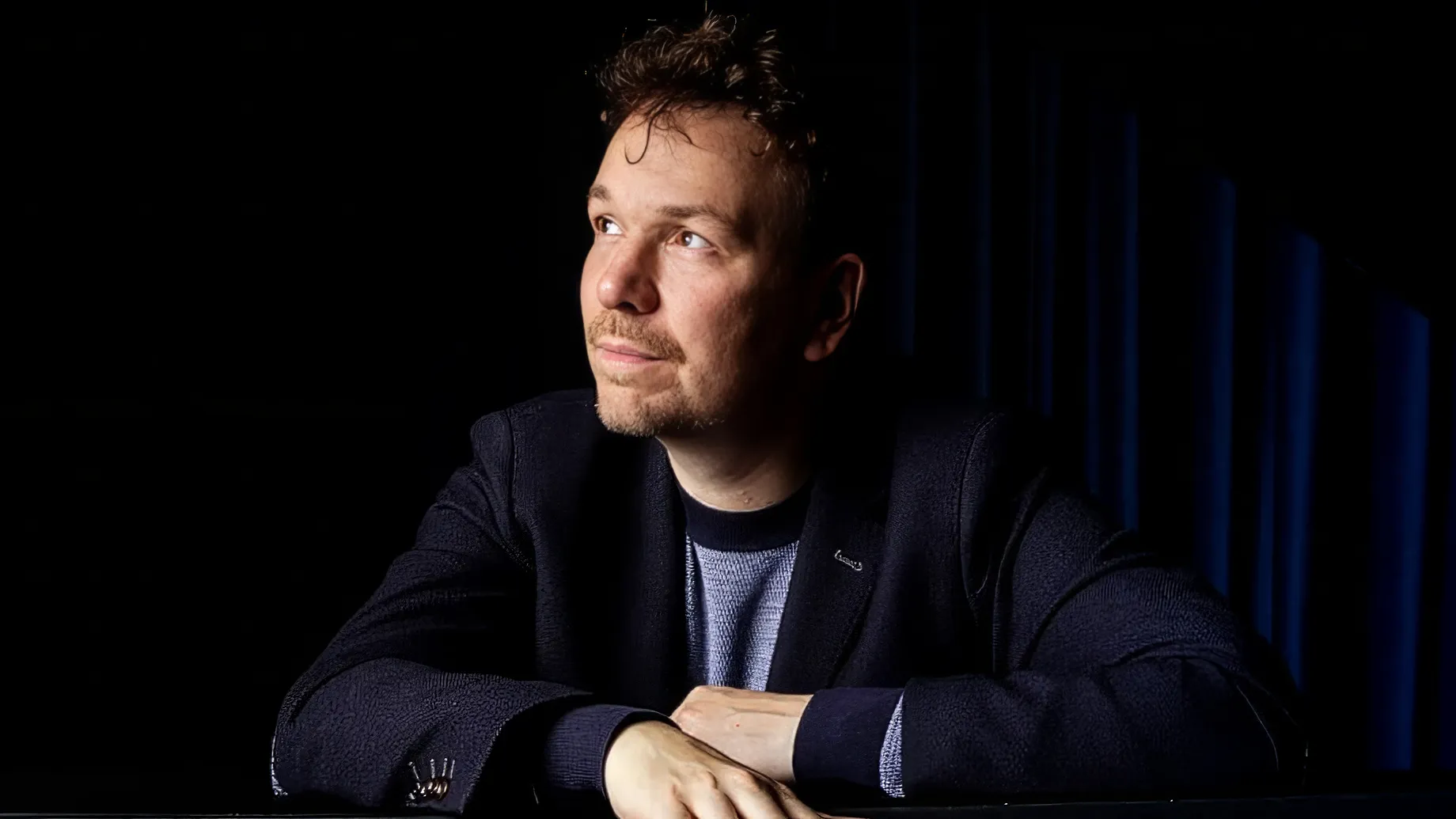
Florian Weber
Pianist and composer
Osnabruck and New York
 
Statement from the Board of Trustees

Florian Weber is one of the major innovators in contemporary music.
 
His musical frame of reference is seemingly inexhaustible: it extends from Maurice Ravel, Arnold Schonberg and Karlheinz Stockhausen to Lee Konitz, John Taylor and Paul Bley and even includes so-called world music.
 
His playing is as limitless in its possibilities as it is economic and focused. Instead of post-modernist gestures he works with the substance of the music itself. His playing neither avoids nor flaunts risk and quite naturally projects a sense of unparalleled freedom. Working with elementary musical ideas, a tiny rhythmic or harmonic 'building block', he is able to generate unexpected epiphanies in which the material, charged with new intensity, unveils its utopian potential.
2018 // Eamonn Quinn
Kreis Plus Kreis Minus
© Alannagh-Brennan
 
Belmont Prize 2018
for Contemporary Music
 
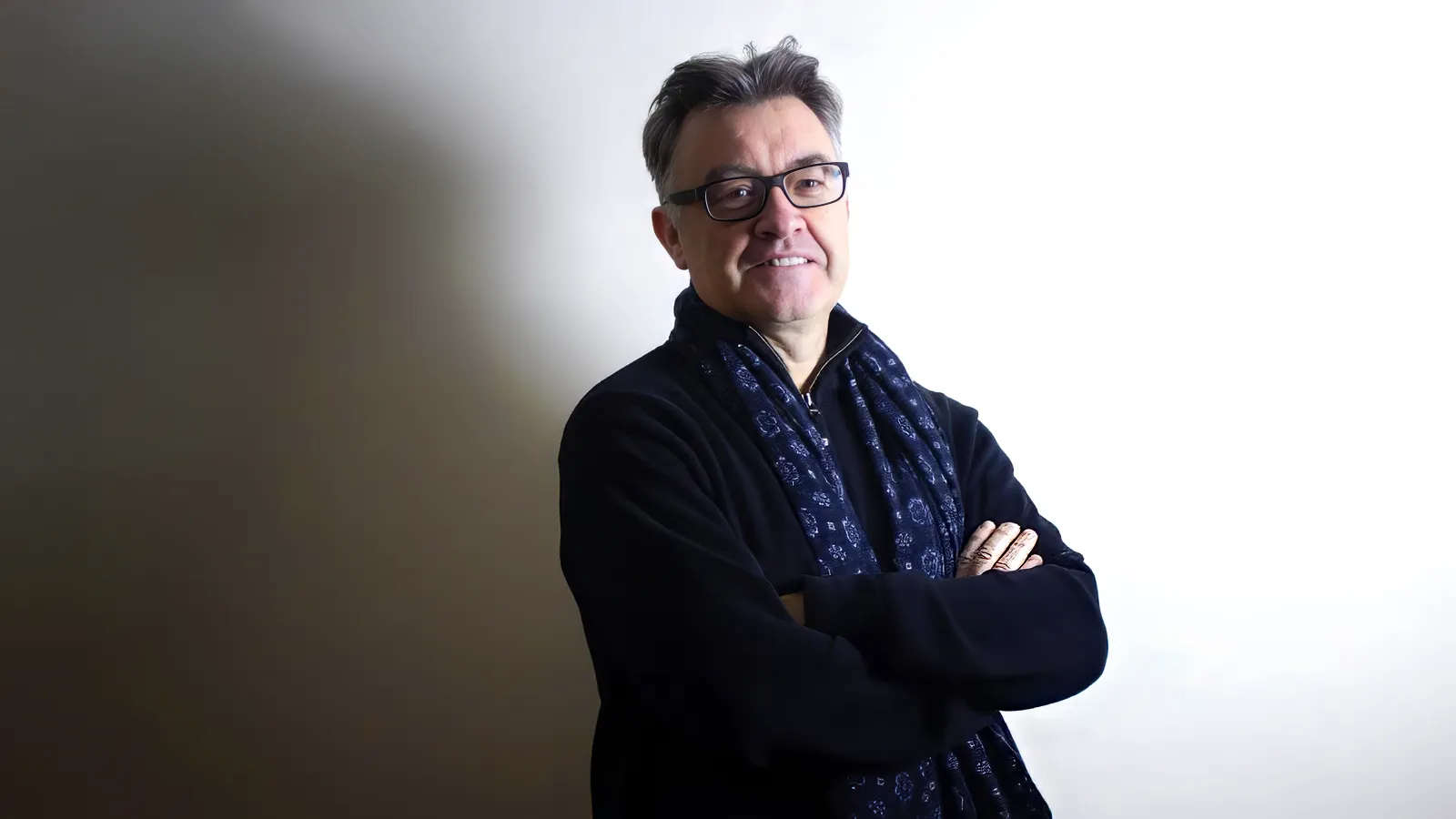
Eamonn Quinn
Curator and Founder of LCMS
Louth Contemporary Music Society
Dundalk, Ireland
 
Statement from the Board of Trustees:
 
"All you need is a room and some cash": Eamonn Quinn's physical space is a tiny biotope in Ireland, a rural town near the border to Brexit-plagued Northern Ireland. But the intellectual space of this man of convictions are the open skies and infinite new horizons marked out by his all-encompassing knowledge of contemporary music, his unerring perspicacity, his touching sensitivity toward things never heard before, his instinct for correlations in the repertoire and the peculiarities of the composers and performers he invites – at great financial risk.
 
 
From the Laudatio by Sebastian Berger (Governing Board):
 
"Another important reason for awarding Eamonn Quinn the Belmont Prize is his constant struggle to overcome boundaries.
Unfortunately, boundaries and borders, walls and fences and even cages have become quite popular again, not only in our minds. Even where they had already lost their grim force, they might regain it, like the border just a few miles north of us ..."
2015 // Milica Djordjević
Kreis Plus Kreis Minus
© Marija Trajkovska
 
Belmont Prize 2015
for Contemporary Music
 
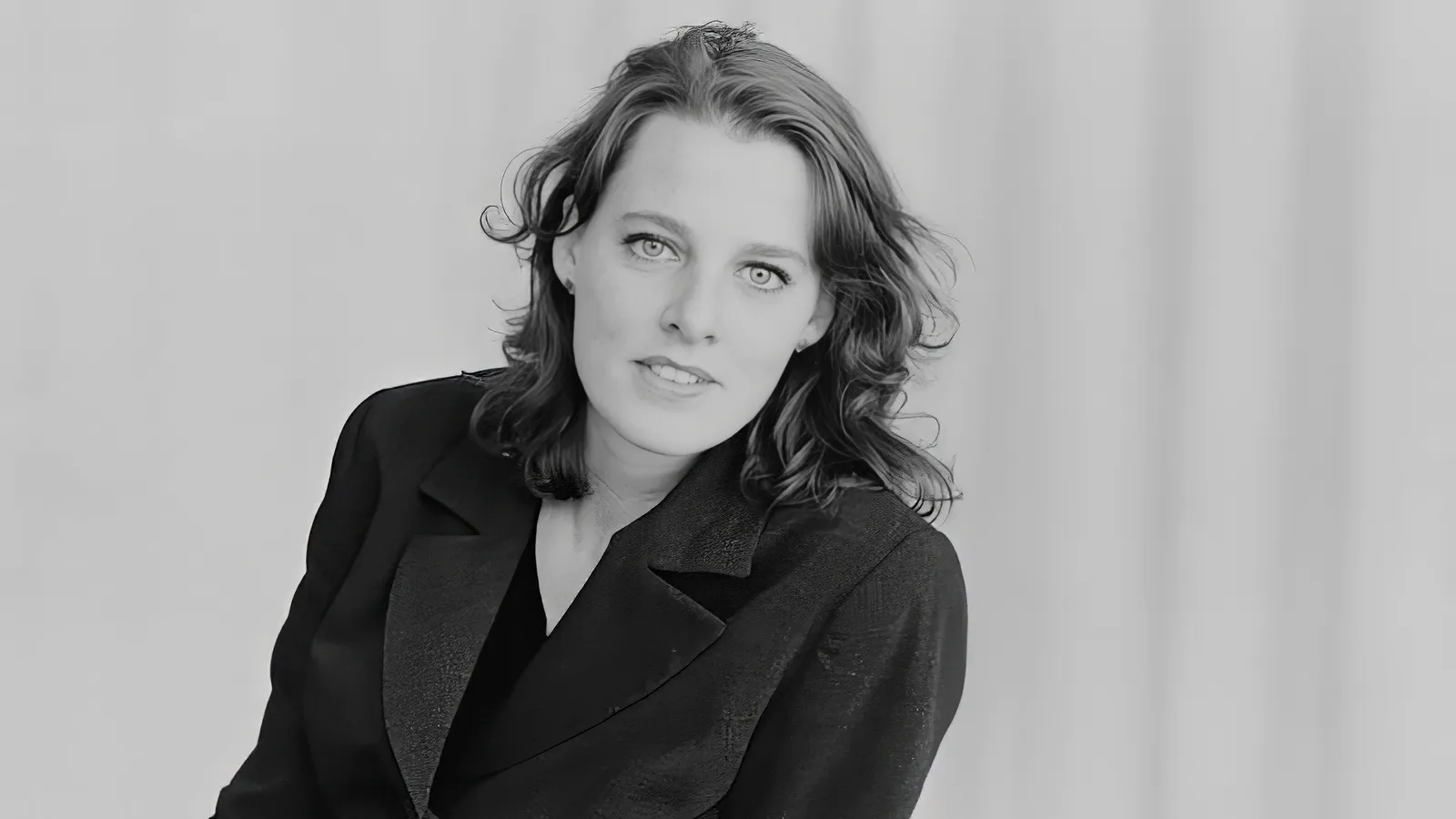
Milica Djordjević
composer from Belgrad and Berlin
 
 
Statement from the Board of Trustees
The music of the Serbian composer Milica Djordjevic is contemporary in a manner that can be almost terrifying.
 
Expressive vehemence lurks beneath its thin veneer. Raw, archetypal voices, recognizable from the sonic world of the Balkans, radically shape her subjectmatter with the resources of the avant-garde, far removed from folk music. Heavily rhythmic and almost physical in its presence, the atmosphere erupts with searing rigour like a grandiose and purifying thunderstorm.
 
Her music is at once alien and familiar - alien in that it releases darkness, fear, things hidden and suppressed; familiar in that it brings these things to an explosion and causes their splinters to glisten. It has nothing to prettify, but much to say.
 
2013 // Sabrina Hölzer
Kreis Plus Kreis Minus
© Wiebke Loeper
 
Belmont Prize 2013
for Contemporary Music
 
Sabrina Hölzer
stage director from Berlin
 
 
Statement from the Board of Trustees

With almost invisible directorial devices and emblematic gestures, she transforms stage areas into emotional scenarios, enlarging the realm of musical sensation to include the interior space of the spectators within the echo chambers of their personal memory.
 
Free of agitation and didacticism, she creates visceral "tolles Theater" (Adriana Htilszky), great theatre at a high level of emotional tension.
2012 // Alex Ross
Kreis Plus Kreis Minus
© DavidMichalek
 
Belmont Prize 2012
for Contemporary Music
 
Alex Ross
Author and music critic from New York
 
 
Statement from the Board of Trustees
 
The author is being honoured for his achievement in joining the endagered art of storytelling with impressive knowledge of the cultural and social histoy of music. 
 
The way he approaches his subject from many angles sheds light on everything from classical music to pop, jazz, minimalism and their interrelations, miles away from the usual eurocentric navel-gazing the profession usually offers.
2009 // Marino Formenti
Kreis Plus Kreis Minus
© Betty Freeman
 
Belmont Prize 2009
for Contemporary Music
 
Marino Formenti
Pianist and conductor from Vienna
 
 
Statement from the Board of Trustees
 
No less bold and ingenious than his performances of classical and contemporary music is his skill in assembling dialectical musico-poetic programs of subversive emotionality and sparkling inspiration: he allows the pieces to listen to each other, thereby becoming a composer in his own right.
 
"Fascinated by the moment between discomposure and euphoria, all his projects thrive on a fine-nerved and inquisitive love-affair with particular pieces of music. He never steals their secret, but neither does he impose secrets upon them. He gazes at them until they start to reveal things one never expected from them. Everything seems as it always was, and yet is completely different."
 
From the laudatory address by Gabriele Forberg-Schneider
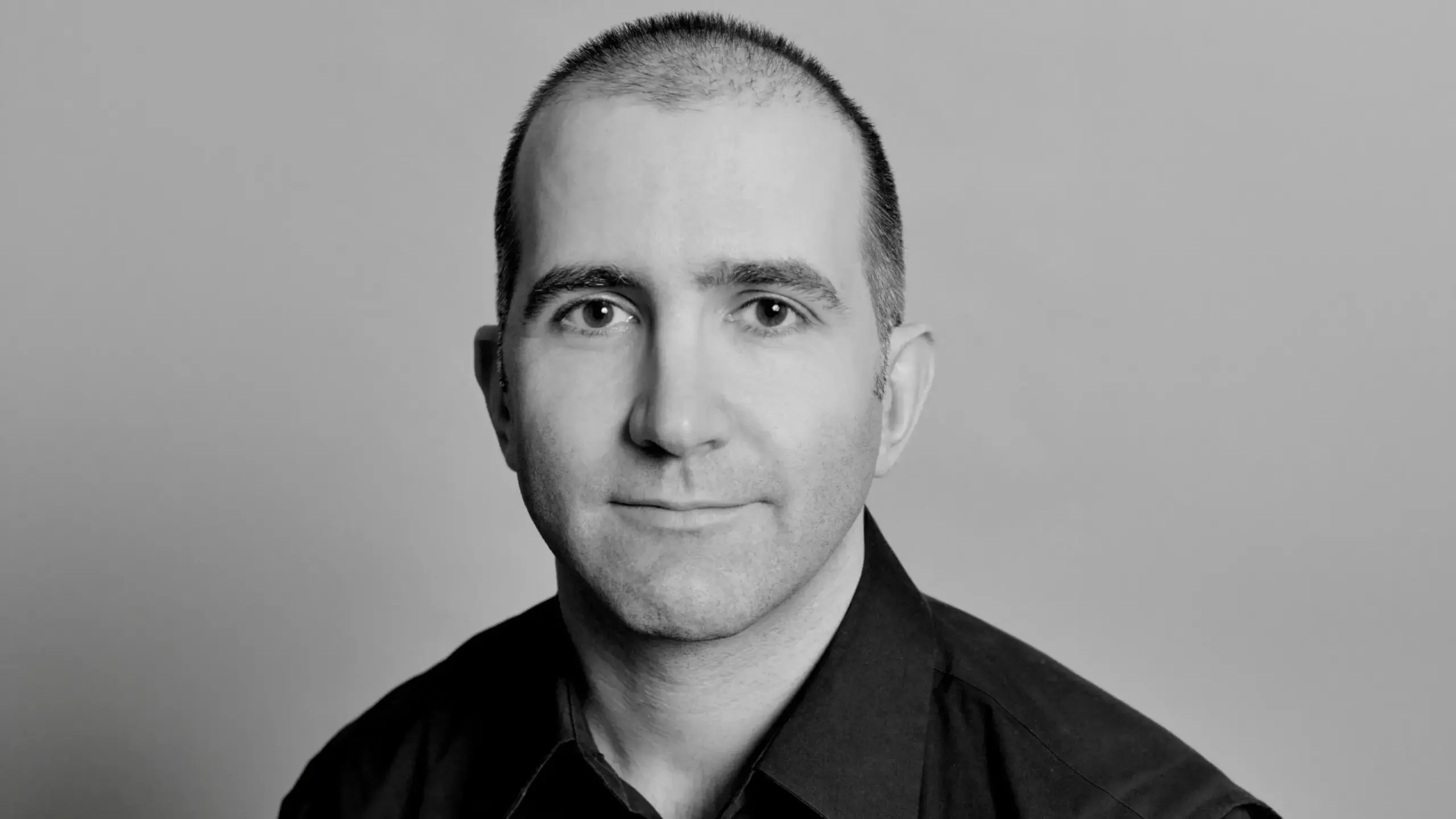
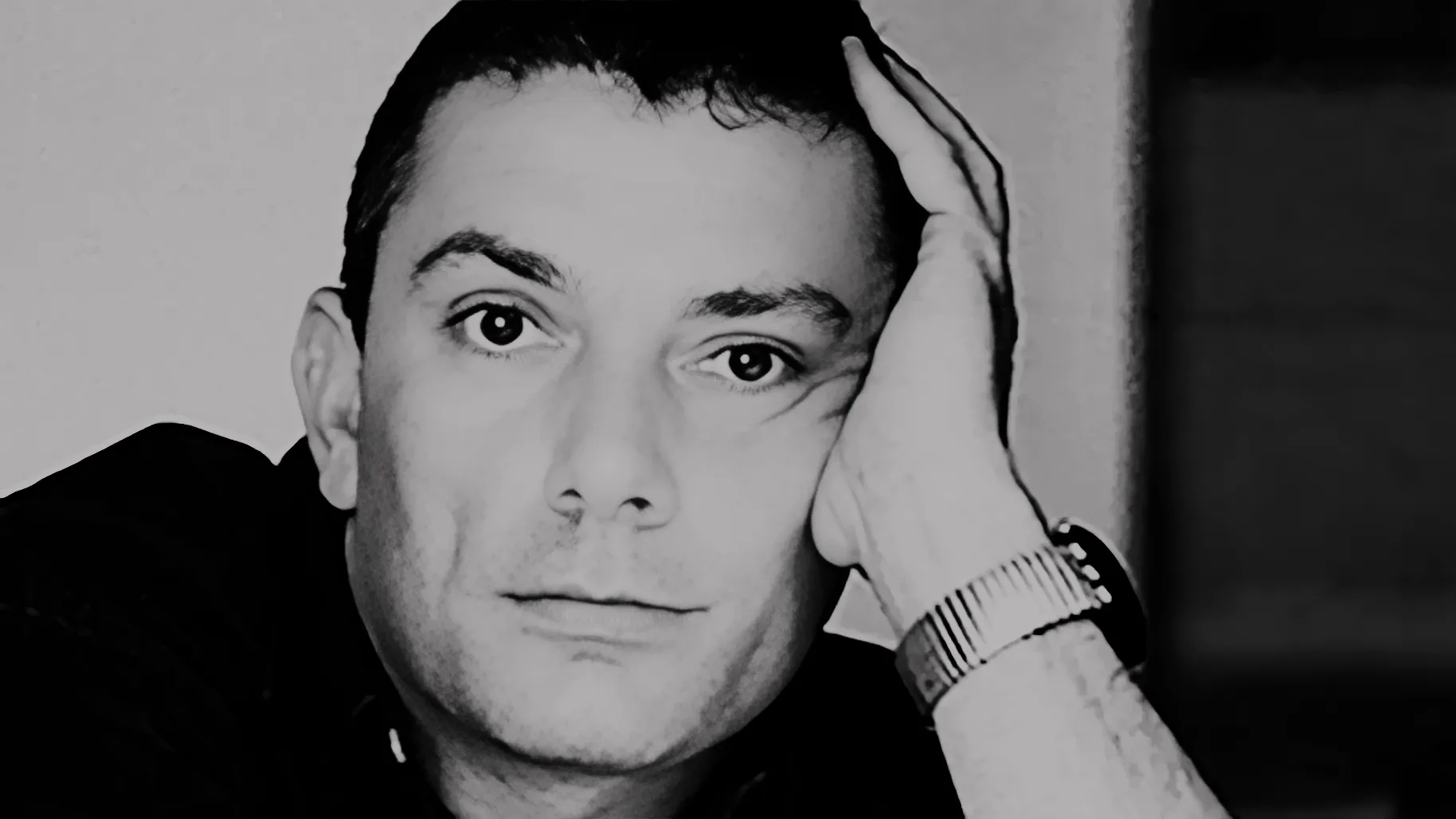
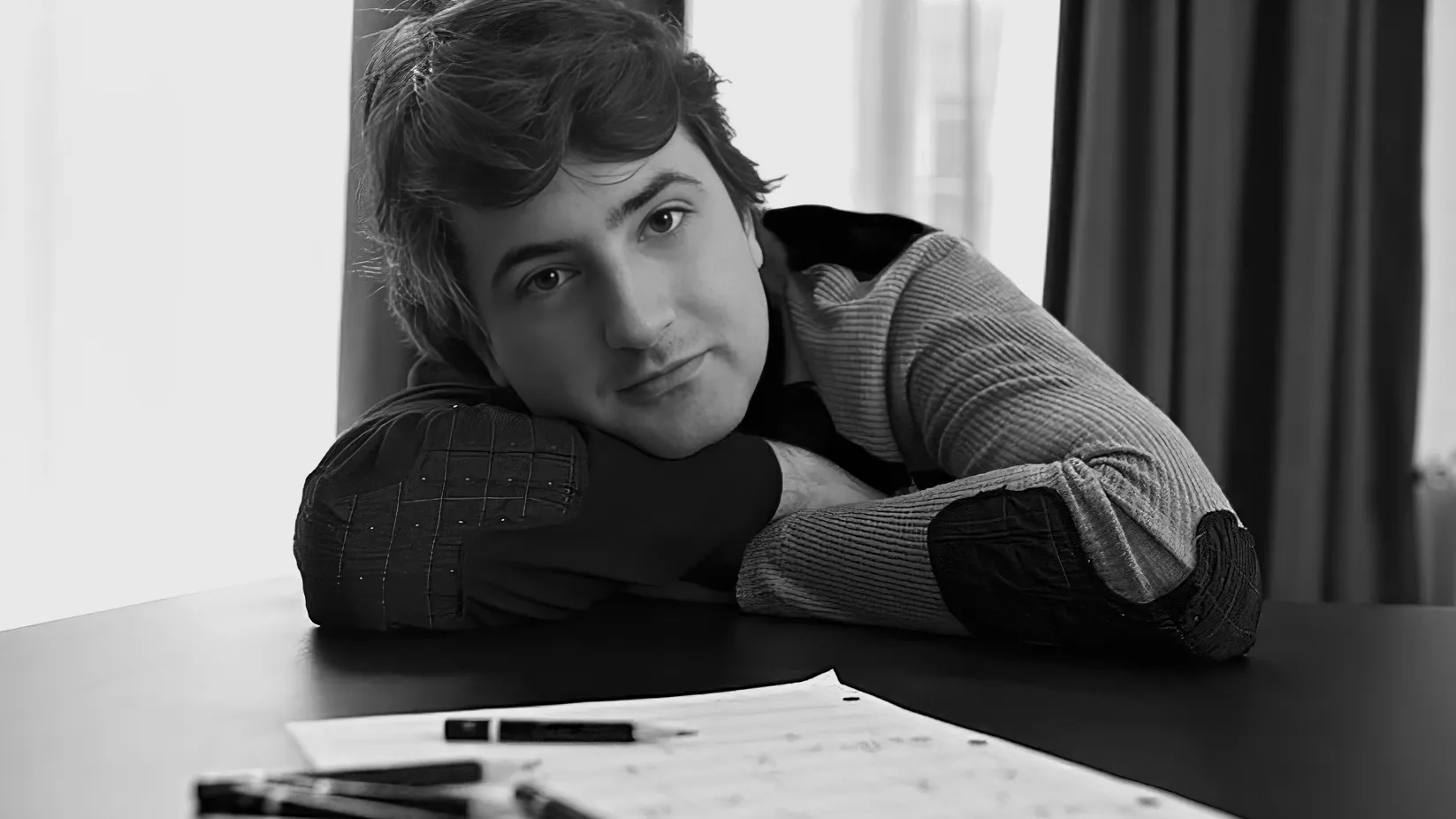
2007 // Bruno Mantovani
Kreis Plus Kreis Minus
© Editions Lemoine - Christophe Daguet
 
Belmont Prize 2007
for Contemporary Music
 
Bruno Mantovani
Composer from Paris
 
 
Statement from the Board of Trustees
 
With this award the Foundation honors a musician whose craftsmanship is pervaded by the clear light and jagged shadows of the Mediterranean cosmos. Again and again Mantovani enters uncharted compositional regions, transforms them, and leaves them for new ones. The striking physicality of his music makes sound perceivable as motion. His musical poetics bear the dual vision of classical order and construction, coupled with the protean expressivity and spontaneity of improvised music .
 
"In Bruno Mantovani's music the 'academic' terrain which he shares with many others, and which, as we all know, is unable to guarantee the value of a composition, is fertilized by the practice of jazz improvisation. This confrontation between the 'abstract' structural principles of art music and the 'concrete' experience of musical form unites the opposites of excess and pragmatism in his distinctive style."

Eric Denut
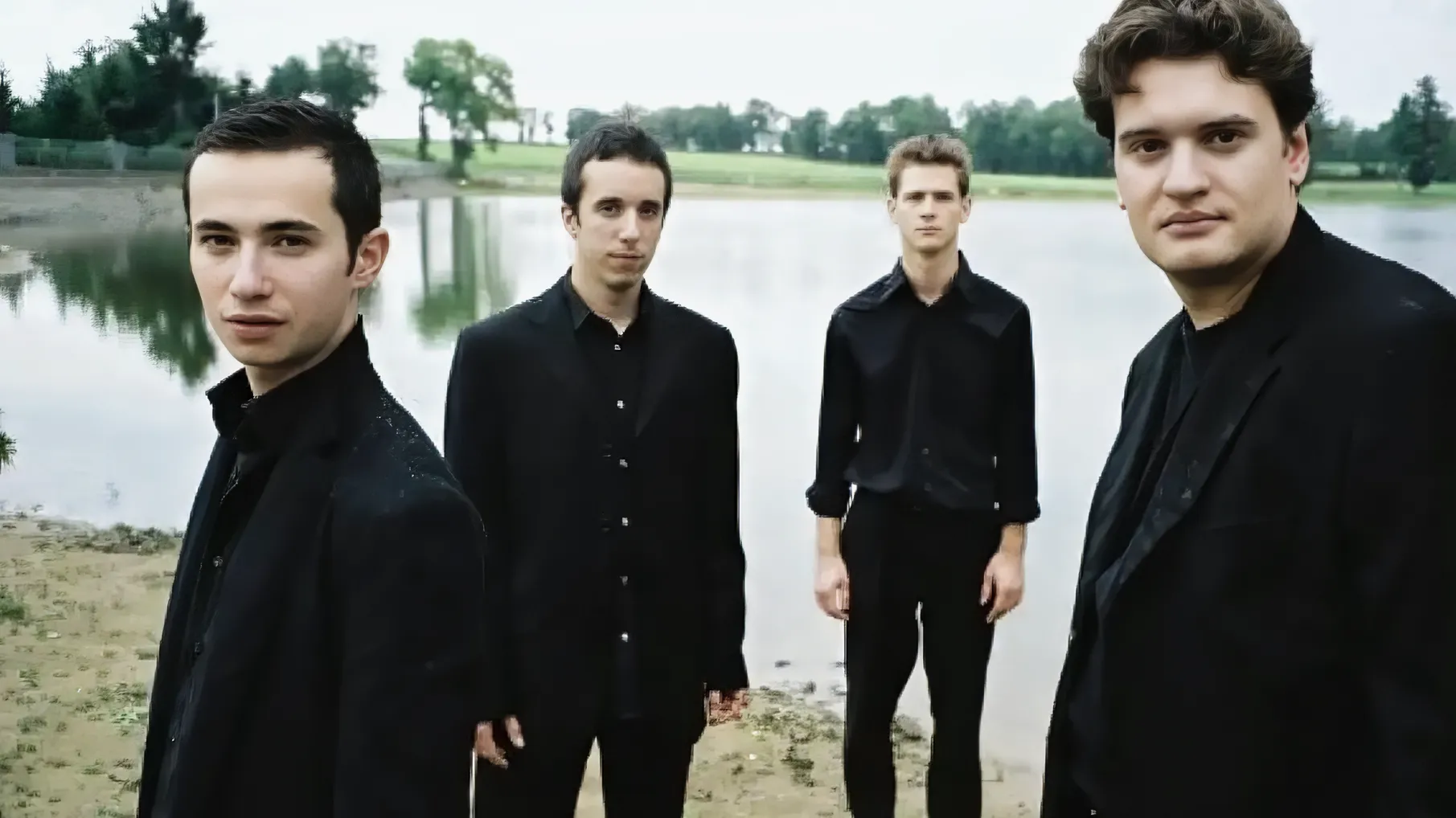
2005 // Quatuor Ébène
Kreis Plus Kreis Minus
© Julien Mignot
 
Belmont Prize 2005
for Contemporary Music
 
Quatuor Ébène
Streichquartett aus Paris
 
Pierre Colombet
Gabriel Le Magadure
Mathieu Herzog
Raphaël Merlin


Statement from the Board of Trustees
 
Their richly hued playing combines fastidious accuracy and unbridled musicality, allowing them to probe compositional audacities with urgency and depth of expression.
 
"In a foundation that promotes not only contemporary music but landscape architecture and urban planning, spontaneous unanimity among the Trustees is not exactly the rule. But this time it happened: the musical intelligence of the Ebenes and the authenticity of their playing at the Munich Competition - whether with Haydn, Webern, or Rihm - struck us all like a bolt of lightning .... They seemed to be breathing with a single breath. These four musicians are neither 'bottom feeders,' 'exegetes,' or 'grandstanders': they simply speak the truth, as if that were as easy as it sounds ... "

From the laudatory address by Gabriele Forberg-Schneider
 
 
Joachim Kaiser on the Quatuor Ébène
 
"What makes these musicians unique on today's chamber music scene is their compelling sense of structure, the succession and development of thematic complexes, contrasts, and expansions. To be specific, this means that they take rests with a seriousness that beggars description. The music never continues afterwards as if nothing had happened."
 
Suddeutsche Zeitung, 5 March 2008
 
"What is special about them? Not just their consummate virtuosity .... Where the Ebenes are completely at home, as in Ravel, they project something much more precarious than sensation-mongering brilliance: namely, a sense that the sound is hovering - delicate, uniform, alive even in the ineffable."
 
Suddeutsche Zeitung, 19 January 2007
 
2004 // Carolin Anne Widmann
Kreis Plus Kreis Minus
© Kasskara
 
Belmont Prize 2004
for Contemporary Music
 
Carolin Anne Widmann
Violinist from London and Leipzig


Statement from the Board of Trustees
 
Her playing, especially of the music of our time, is impressive for the courage of her driving emotionality and the deep earnestness of her musical delivery. She masters every technical challenge with bravura, striking a perfect balance between reason and feeling.
 
"Even though our Foundation expressly promotes contemporary music, we agree with Paul Valery that 'an exclusive pleasure in novelty implies a decline in critical intelligence.' Walter Levin, with professional aplomb, enlarges on this ban mot by demanding that "one must play new music in order to do justice to the old."
 
Gabriele Forberg-Schneider
 
 
"The way that she instilled subliminal emotion into the iridescent skeins of Pierre Boulez's Anthemes and, in contrast, sprinkled licorice overtones on Richard Strauss's early Violin Sonata without sullying its refulgent romantic melodies with mawkishness conjured up the aerial zephyrs of an Italian summer evening. Markus Fein has compared the personality of this extraordinary violinist with Schoenberg's dictum: 'Art doesn't come from skill, but from compulsion."'
 
Die Welt, 10. August 2004
2003 // Stefan Tischer
Kreis Plus Kreis Minus
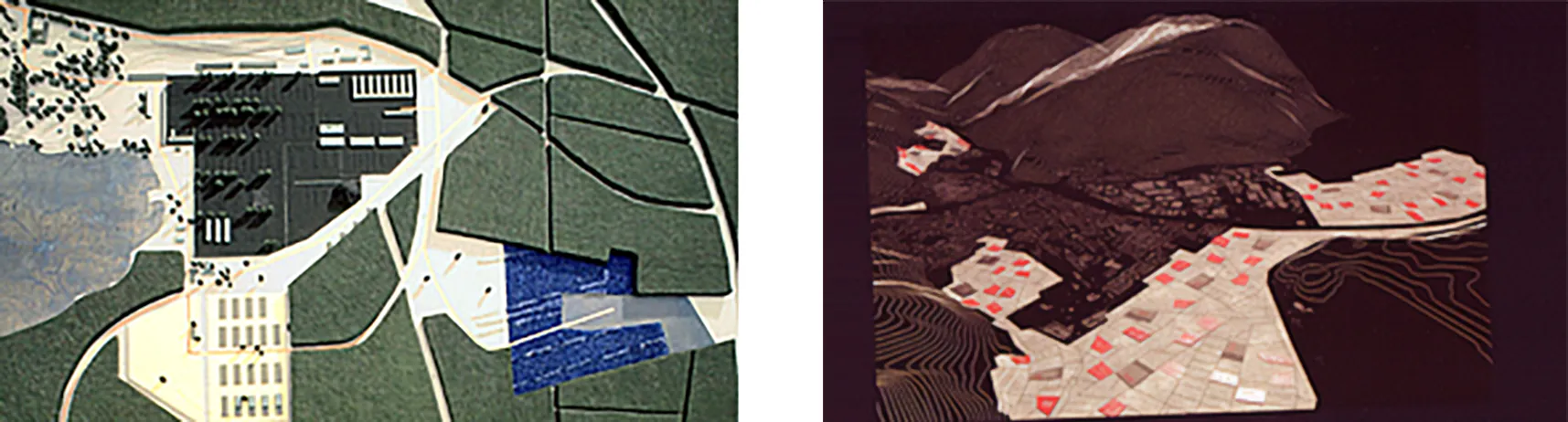
Ravensbruck Memorial Site
© Modell: Burger+Tischer, Oswalt+Oswalt
Simulation of urban development
© MetroGrammA + S. Tischer, H. Hoelzl
 
Belmont Prize 2003
for landscape architecture and urban planning
 
Stefan Tischer
Landscape architect in Montréal
 
 
The genius loci is turned into a futuristic set of tools. The qualities of a landscape become everyday urban reality. The city is transformed into landscape.
 
Stefan Tischer is being specially honored for two projects. The first is a landscaping scheme, in collaboration with Susanne Burger and Philipp and Stefanie Oswalt, to turn the former women's concentration camp in Ravensbruck, Brandenburg, into a memorial site. "It was necessary to perform a tightrope act between design and authenticity. That this tightrope act should win a competition is by no means a foregone conclusion."
 
Thies Schroder
 
 
He is also being honored for his essay "Four Proposals for Urban Concentration in Bolzano," a strategy devised in collaboration with Helene Hoelzl and the Milan studio MetroGrammA. The essay presents development scenarios for making landscape itself the rule in urban planning and a source of inspiration for architects. Here nscher attempts to remedy the architectural blunders committed during the economic boom of recent decades and to "aerate" the city, allowing it to grow anew on historical and landscape-specific layers.
2002 // b&k+
Kreis Plus Kreis Minus
© Marianne Weber-Schäfer
 
Belmont Prize 2002
for landscape architecture and urban planning
 
für Landschaftsarchitektur und Stadtplanung
b&k+, Arno Brandlhuber und Bernd Kniess
Architects in Koln


Statement from the Board of Trustees
 
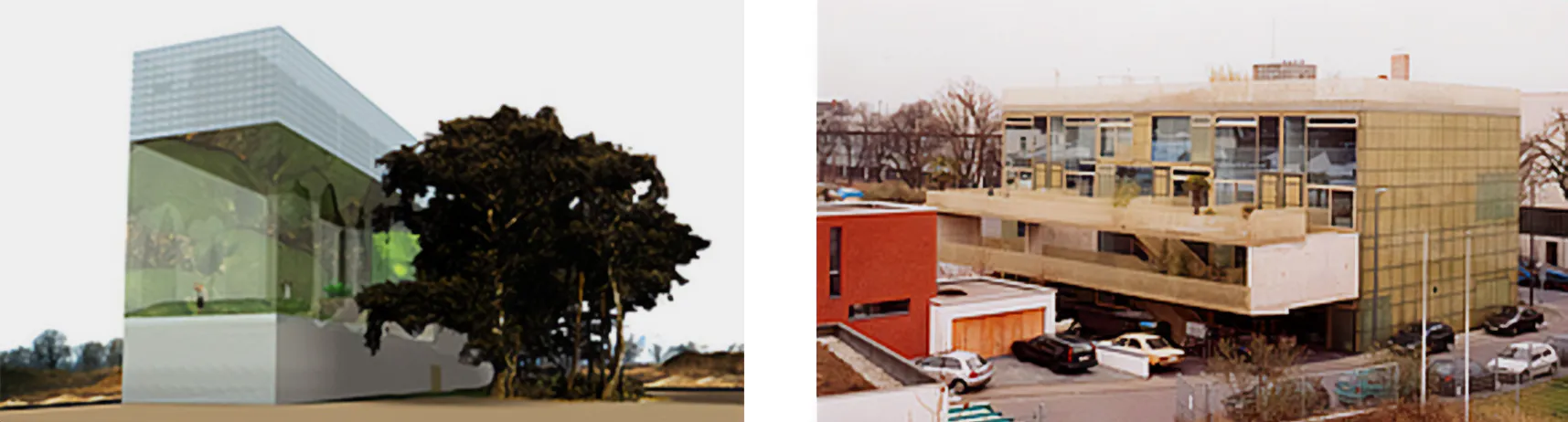
The work of the Cologne architects collaborative b&k+ centers on the redefinition of green space. To embed their projects in society, and thus in the urban environment, these two architects and urban planners make explicit use of an interdisciplinary working method with the assistance of experts from science and industry, art and culture. "Koiner Brett" and "Klimazone_n" are convincing and aesthetically outstanding examples of this creative collaboration.
Klimazone_n // © b&k+
Kölner Brett // Peter Schneider
 
 
"Brandlhuber & Kniess won the award for their unrealized project 'Klimazone_n,' which provided a thermal power planUradiator to supply the entire Hannover World Exposition. The Board also honored Brandlhuber & Kniess's 'Koiner Brett,' a loft house that takes its name from their Cologne headquarters and serves as a platform for a new working and living environment."
 
Neue Zurcher Zeitung, 7 February 2003
 
2001 // Florent Boffard
Kreis Plus Kreis Minus
© P. Gontier
 
Belmont Prize 2001
for Contemporary Music
 
Florent Boffard
Pianist in Paris
 

«When someone like me can experience a passion like music it s a stroke ofluck. When the same person can win a prize like this one with his passion, it's more than a stroke ofluck."
 
Forent Boffard
 
 
Statement from the Board of Trustees

The Board admires his courage in tackling things that are difficult and intractable, and his talent for coaxing the secret from the hidden ambitions of a piece of music and reinventing it. It is this interpretation - this "second life" - that allows the piece to become a work of art and wrests it from the clutches of simple
consumerism. 
 
"A young man stepped onto the concert platform, his suit slightly too tight, his pale face lit by an unforced smile. His large hands, soon to dig deep into the keys, did not necessarily fit my image of a soloist from the Ensemble lntercontemporain. Two or three steps to the piano, and the artist took over from the very first attack. Nothing self-important or postured, nothing stiff, let alone rigid .... His clearly structured playing and pronounced sense of counterpoint are in turn an
expression of a deep-seated understanding of the piece of music and of great discipline in his working methods. His ample and richly hued sound is additional proof of his sensitive and accurate ear."
 
From the laudatory address by Herve Boutry
1999 // Jörg Widmann
Kreis Plus Kreis Minus
© Felix Broede
 
Belmont Prize 1999
for Contemporary Music
 
Jörg Widmann
Composer & clarinetist Freiburg im Breisgau and Munchen


"I have sounds in my head and write them down. It s like a dream of a piece of music. I try to dream each piece afresh. The pieces are sometimes delicate and sometimes aggressive trulyb rutal. The main impetus for them is always emotions."

Jörg Widmann
 
 
"I have to admit that I am madly in love with the way J6rg Widmann prevents me from knowing what there is to know about him .... In the background there is always this dream, this 'let both come together,' this 'let composition and improvisation again become as one.' He doesn't make things easy for us. Namely, we never know exactly what's coming in his music; and since we live in a world in which we are all insurance maniacs, we experience afresh the uncertainty, the peril of our lives ... I find in this music a deep-seated realism in the way it reasserts the daring, the danger of life, the way it viscerally confronts us with things we cannot foresee in advance."
 
From the laudatory address by Peter Gulke
1998 // MVRDV
Kreis Plus Kreis Minus
© Ineke Oostveen
 
Belmont Prize 1998
for landscape architecture and urban planning
 
MVRDV
 
Winy Maas
Jacob van Rijs
Nathalie de Vries
Architekten in Rotterdam


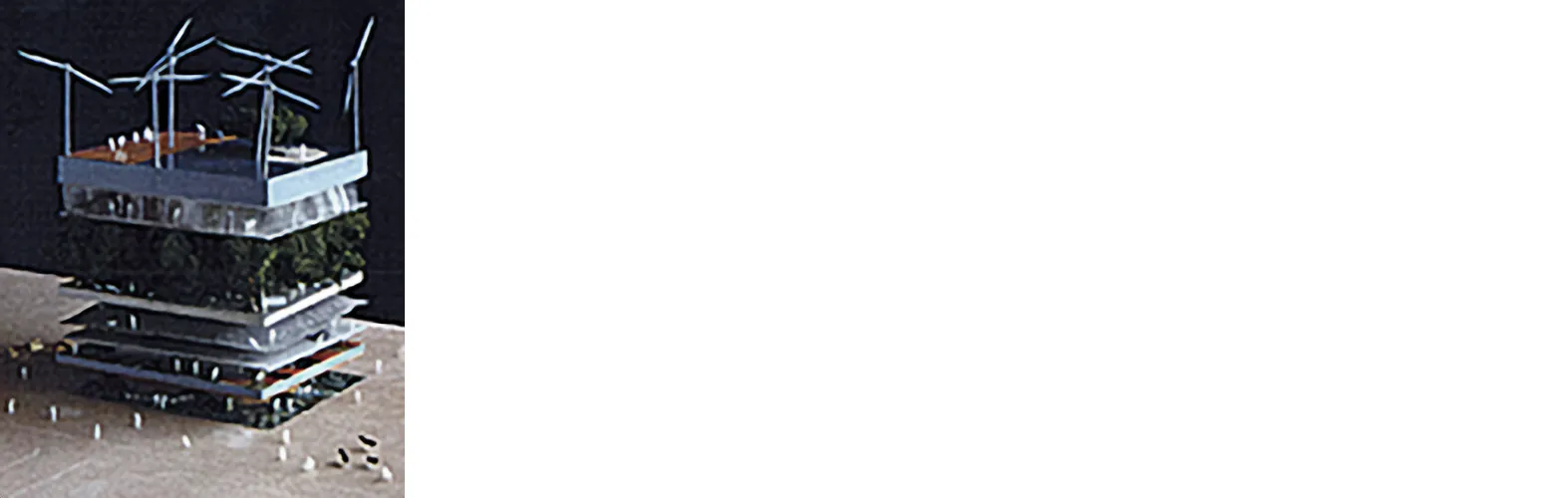
"Elevator to Babylon - Discovery of Heaven: The Dutch Pavilion at the Hannover EXPO World Exposition is the first conceptual. building of the 21st century."
 
Niklas Maak
 
 
Statement from the Board of Trustees
 
The award honors the design "Gestapelde Natuur:· an intelligent and clever realization of the slogan of the Hannover EXPO – "Man. Nature. Technology·· – as a multi-level park. thereby adding an aesthetic and toward-looking dimension to the classical concept of landscape. "Granted, the superposition of landscapes runs contrary to our received notions. But does the romantic image that we make of nature match reality? ... It comes as no surprise that the Dutch in particular, with their pragmatic approach to things, liberate us from familiar illusions."
 
From the laudatory address by Hubertus Adam
 
© MVRDV

Forberg-Schneider-Stiftung
Mottlstraße 12
80804 Munich
Germany


> Email me

Imprint / Privacy Policy